

• Menu
  • Skip to right header navigation
  • Skip to main content
  • Skip to primary sidebar
  • Skip to footer

Call us today for help! (860) 548-1000

  • Facebook
  • Instagram
  • LinkedIn
  • Twitter
  • YouTube

Site Logo

Estate Planning | Making a Difference One Family at a Time

  • Home
  • Who We Are
    • About Our Firm
    • As Seen on TV
    • Careers
    • Client Testimonials
    • Meet Our Team
    • Special Olympics Sponsorship
  • How We Can Help
    • Asset Protection & Business Planning
    • Estate and Gift Tax Figures
    • Estate Planning
    • LGBTQ Estate Planning
    • Loss of a Loved One
    • Minor Children and Young Adult Planning
    • Outdated Estate Planning Documents
    • Pet Planning
    • Powers of Attorney
    • Powers of Attorney, Health Care & Emergency Documents
    • Probate
    • Remarriage and Blended Families Protection
    • SECURE Act
    • Special Needs Planning
    • Trust Administration 
  • Elder Law
    • Alzheimer’s Disease
    • Caregiver Information
    • Elder Law Reports
    • Emergency Medicaid & Nursing Home Planning
    • Guardianship & Conservatorship
    • Hospice Care
    • Medicaid Planning
    • Options for Paying for Nursing Home Care
  • Resources
    • Complimentary Estate Planning Worksheet
    • Complimentary Medicaid/Long-Term Care Calculator
    • DocuBank
    • Elder Law Resources
      • Glastonbury Elder Law Resources
    • Estate Planning Articles
    • Estate Planning Checkup
    • Estate Planning Presentations
    • Estate Planning Techniques
    • Frequently Asked Questions
      • Asset Protection and Business Planning FAQs
      • Business Succession Planning FAQs
      • Digital Estate Planning
      • Elder Law & Medicaid FAQs
      • Estate Administration FAQs
      • Estate and Gift Tax FAQs
      • Estate Plan Revisions
      • Estate Planning FAQs
      • Estate Planning for Blended Families
      • Estate Planning for Young Families FAQs
      • Family Heirloom Planning
      • Families Without an Estate Plan FAQs
      • Incapacity Planning FAQs
      • In-Home Elder Care FAQs
      • IRA Inheritance Planning FAQs
      • Irrevocable Trusts FAQs
      • LGBTQ Estate Planning FAQs
      • Living Trust FAQs
      • Medicaid Planning FAQs
      • Nursing Home Asset Protection FAQs
      • Outdated Estate Planning Documents FAQs
      • Probate FAQs
      • Probate Avoidance FAQs
      • SECURE Act 2.0 FAQs
      • Trust Administration FAQs
      • Wills FAQs
    • Medicaid Planning Checklist: Preparing for Your Long-Term Care Consultation
    • Newsletters
    • Probate Resources
    • Published Books
    • Reports
      • Advanced Estate Planning
      • Basic Estate Planning
      • Estate Planning for Niches
      • Trust Administration
    • Trust Administration Checklist
    • Year-End Estate Planning Checklist
  • Seminars
  • Communities We Serve
    • Fairfield County
      • Darien
      • Greenwich
      • Fairfield
      • Stamford
      • Westport
    • Hartford County
      • Avon
      • Glastonbury
      • Hartford
      • Simsbury
      • West Hartford
    • Litchfield County
      • Watertown
    • Middlesex County
      • Middletown
      • Old Saybrook
    • New Haven County
      • Middlebury
      • New Haven
    • New London County
      • Groton
      • Old Lyme
      • Stonington
    • Tolland County
      • Mansfield
    • Windham County
      • Woodstock
  • Review Us
  • Blog
  • Contact Us
  • Home
  • Who We Are
    • About Our Firm
    • As Seen on TV
    • Careers
    • Client Testimonials
    • Meet Our Team
    • Special Olympics Sponsorship
  • How We Can Help
    • Asset Protection & Business Planning
    • Estate and Gift Tax Figures
    • Estate Planning
    • LGBTQ Estate Planning
    • Loss of a Loved One
    • Minor Children and Young Adult Planning
    • Outdated Estate Planning Documents
    • Pet Planning
    • Powers of Attorney
    • Powers of Attorney, Health Care & Emergency Documents
    • Probate
    • Remarriage and Blended Families Protection
    • SECURE Act
    • Special Needs Planning
    • Trust Administration 
  • Elder Law
    • Alzheimer’s Disease
    • Caregiver Information
    • Elder Law Reports
    • Emergency Medicaid & Nursing Home Planning
    • Guardianship & Conservatorship
    • Hospice Care
    • Medicaid Planning
    • Options for Paying for Nursing Home Care
  • Resources
    • Complimentary Estate Planning Worksheet
    • Complimentary Medicaid/Long-Term Care Calculator
    • DocuBank
    • Elder Law Resources
      • Glastonbury Elder Law Resources
    • Estate Planning Articles
    • Estate Planning Checkup
    • Estate Planning Presentations
    • Estate Planning Techniques
    • Frequently Asked Questions
      • Asset Protection and Business Planning FAQs
      • Business Succession Planning FAQs
      • Digital Estate Planning
      • Elder Law & Medicaid FAQs
      • Estate Administration FAQs
      • Estate and Gift Tax FAQs
      • Estate Plan Revisions
      • Estate Planning FAQs
      • Estate Planning for Blended Families
      • Estate Planning for Young Families FAQs
      • Family Heirloom Planning
      • Families Without an Estate Plan FAQs
      • Incapacity Planning FAQs
      • In-Home Elder Care FAQs
      • IRA Inheritance Planning FAQs
      • Irrevocable Trusts FAQs
      • LGBTQ Estate Planning FAQs
      • Living Trust FAQs
      • Medicaid Planning FAQs
      • Nursing Home Asset Protection FAQs
      • Outdated Estate Planning Documents FAQs
      • Probate FAQs
      • Probate Avoidance FAQs
      • SECURE Act 2.0 FAQs
      • Trust Administration FAQs
      • Wills FAQs
    • Medicaid Planning Checklist: Preparing for Your Long-Term Care Consultation
    • Newsletters
    • Probate Resources
    • Published Books
    • Reports
      • Advanced Estate Planning
      • Basic Estate Planning
      • Estate Planning for Niches
      • Trust Administration
    • Trust Administration Checklist
    • Year-End Estate Planning Checklist
  • Seminars
  • Communities We Serve
    • Fairfield County
      • Darien
      • Greenwich
      • Fairfield
      • Stamford
      • Westport
    • Hartford County
      • Avon
      • Glastonbury
      • Hartford
      • Simsbury
      • West Hartford
    • Litchfield County
      • Watertown
    • Middlesex County
      • Middletown
      • Old Saybrook
    • New Haven County
      • Middlebury
      • New Haven
    • New London County
      • Groton
      • Old Lyme
      • Stonington
    • Tolland County
      • Mansfield
    • Windham County
      • Woodstock
  • Review Us
  • Blog
  • Contact Us

Separating Fact From Fiction: Don’t Buy These Estate Planning Myths

November 18, 2025 //  by Diana O'Rourke, Estate Planning Attorney

estate planning mythsEstate planning is a process that ensures your assets are distributed according to your wishes after you pass away. However, misconceptions about estate planning can lead to costly mistakes.

In this blog, we’ll debunk several common estate planning myths to help you make informed decisions.

DIY Estate Planning Is Easy and Effective

The internet is full of ads promoting do-it-yourself estate planning tools, including wills and trusts. These services promise simplicity, effectiveness, and affordability.

However, while DIY estate planning might seem like a quick and cost-effective solution, it comes with significant risks.

Estate planning is a complex process with long-term financial implications for your family. It involves more than just filling out forms – it’s about making sure your legacy is passed on in a way that reflects your wishes and protects your loved ones.

Mistakes made in a DIY estate plan can lead to legal challenges, unintended tax consequences, and family disputes. There is no substitute for the expertise and guidance of an estate planning attorney.

Inheritances Are Always Tax-Free

Many people believe that inheritances are not subject to taxes, and while there is truth to this, it’s not a blanket rule. For example, a direct inheritance from a will is not considered taxable income, and life insurance proceeds are generally tax-free.

However, there are exceptions. Distributions from a traditional individual retirement account (IRA) are subject to income tax for the beneficiary, while distributions from a Roth IRA are tax-free.

Additionally, if you inherit assets that generate income, such as rental property or investments, you may have to pay taxes on that income.

At the federal level, there is an estate tax, but it only applies to estates that exceed the federal exclusion. In 2025, the exclusion is $13.99 million. Most estates fall below this threshold, so the majority of people will not have to pay federal estate taxes.

Some states impose their own estate taxes, and Connecticut, where we practice, is one of them. The good news is that the exclusion is the same as the federal exclusion, so there is a pretty sizable cushion there.

Trusts Are Only for the Wealthy

There’s a common misconception that trusts are only useful for the wealthy, particularly for those looking to minimize estate taxes. While it’s true that irrevocable trusts can be used to reduce estate tax liability, trusts serve many other purposes.

For instance, revocable living trusts are a popular tool for avoiding probate. These trusts allow you to maintain control over your assets while you’re alive.

Additionally, special needs trusts can protect assets for individuals with disabilities without jeopardizing their eligibility for government benefits.

Trusts can also be useful for protecting minor children, ensuring that their inheritance is managed responsibly until they reach adulthood. Before dismissing the idea of a trust, it’s important to discuss your goals with an estate planning attorney.

The State Will Handle Everything If You Die Without a Plan

It’s a common belief that if you die without an estate plan, the state will step in and take care of everything. While the state does have a process for distributing your assets if you die intestate (without a will), it may not align with your wishes.

If you die intestate, the probate court will appoint a personal representative to administer your estate. This person will pay off any debts and distribute the remaining assets according to the intestate succession laws.

These laws dictate how assets are distributed among surviving relatives, but they may not reflect your preferences. People you would have included in your estate plan could be left out, or the distribution percentages might differ from what you would have wanted.

Relying on the state’s default rules can lead to unintended outcomes and family disputes. Creating a personalized estate plan ensures that your assets are distributed according to your wishes, giving you peace of mind.

Schedule a Consultation Today!

Don’t let these myths lead you astray. When you work with us, we will learn about your situation and make personalized recommendations. Ultimately, you will emerge with a tailor-made plan that ideally suits your needs.

We have an estate planning office in Westport, CT, and another one in Glastonbury. You can call us at 860-548-1000 to set up a consultation at either location, and you can use our contact form to send us a message.

If you would like to take your understanding to another level before putting a plan in place, attend one of our monthly seminars. They are offered on a complimentary basis, and you can visit our Seminar Page to see the dates.
  • Author
  • Recent Posts
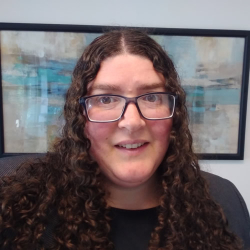
Diana O'Rourke, Estate Planning Attorney
Associate Attorney at Nirenstein, Horowitz & Associates, PC
In May 2023, Diana M. O’Rourke joined Nirenstein, Horowitz & Associates, P.C. as an associate attorney in the trust administration department. Diana has five years of experience practicing in the areas of estate administration, estate planning and elder law.She is admitted to practice in the State of Connecticut and is a member of the Connecticut Bar Association, where she is part of the Estate & Probate section and the Elder Law section...Read More!
Diana O'Rourke, Estate Planning Attorney
Latest posts by Diana O'Rourke, Estate Planning Attorney (see all)
  • What Is a Pour-Over Will and Why Do I Need One? - August 13, 2026
  • Family Loans: Should They be Addressed in Your Estate Plan? - August 4, 2026
  • Can You Refuse an Inheritance? - July 2, 2026
Spread the love

Category: Estate PlanningTag: estate taxes, trusts, Intestacy

Previous Post: «generation-skipping-trust Can I Access Income Earned By Assets in a Medicaid Trust?
Next Post: Is There Any Way to Change an Irrevocable Trust? change an irrevocable trust»

Search

Blog Subscription

Our blog gives you the most up-to-date estate planning news. Sign up today to receive our regular updates!

This field is for validation purposes and should be left unchanged.
Untitled

Connect With Us Today!

  • Facebook
  • Instagram
  • LinkedIn
  • Pinterest
  • Twitter
  • YouTube

Glastonbury Office Address

Somerset Square
200 Glastonbury Boulevard, Suite 202
Glastonbury, CT 06033-4418
Phone: (860) 548-1000
Fax: (860) 761-1070

Map

Nirenstein, Horowitz & Associates P.C. Somerset Square Google Maps

Westport Office Address

Westport Office
8 Wright Street, Suite 107
Westport, CT 06880
Phone: (860) 548-1000
Fax: (860) 761-1070

Map

Nirenstein, Horowitz & Associates P.C. Westport Office Google Maps

Office Hours

Monday8:30 AM - 5:00 PM
Tuesday8:30 AM - 5:00 PM
Wednesday8:30 AM - 5:00 PM
Thursday8:30 AM - 5:00 PM
Friday8:30 AM - 5:00 PM

Our Law Offices

Nirenstein, Horowitz & Associates P.C.
SOMERSET SQUARE

200 Glastonbury Boulevard, Suite 202 Glastonbury, CT 06033-4418

Phone:(860) 548-1000

Fax: (860) 761-1070

See Larger Map

Westport Office

8 Wright Street, Suite 107
Westport, CT 06880
Phone: (860) 548-1000
Fax: (860) 761-1070

( By appointment only )

See Larger Map

Office Hours

Monday8:30 AM - 5:00 PM
Tuesday8:30 AM - 5:00 PM
Wednesday8:30 AM - 5:00 PM
Thursday8:30 AM - 5:00 PM
Friday8:30 AM - 5:00 PM

Sign Up for Our Newsletter

Sign up to get our complimentary estate planning newsletter for all our tips and resources.

This field is for validation purposes and should be left unchanged.

  • Advantages of Working With Our Firm
  • About The American Academy
  • Disclaimer
  • Privacy Policy
  • Sitemap
  • Contact Us

Copyright © 2026 American Academy of Estate Planning Attorneys | All Rights Reserved