

• Menu
  • Skip to right header navigation
  • Skip to main content
  • Skip to primary sidebar
  • Skip to footer

Call us today for help! (860) 548-1000

  • Facebook
  • Instagram
  • LinkedIn
  • Twitter
  • YouTube

Site Logo

Estate Planning | Making a Difference One Family at a Time

  • Home
  • Who We Are
    • About Our Firm
    • As Seen on TV
    • Careers
    • Client Testimonials
    • Meet Our Team
    • Special Olympics Sponsorship
  • How We Can Help
    • Asset Protection & Business Planning
    • Estate and Gift Tax Figures
    • Estate Planning
    • LGBTQ Estate Planning
    • Loss of a Loved One
    • Minor Children and Young Adult Planning
    • Outdated Estate Planning Documents
    • Pet Planning
    • Powers of Attorney
    • Powers of Attorney, Health Care & Emergency Documents
    • Probate
    • Remarriage and Blended Families Protection
    • SECURE Act
    • Special Needs Planning
    • Trust Administration 
  • Elder Law
    • Alzheimer’s Disease
    • Caregiver Information
    • Elder Law Reports
    • Emergency Medicaid & Nursing Home Planning
    • Guardianship & Conservatorship
    • Hospice Care
    • Medicaid Planning
    • Options for Paying for Nursing Home Care
  • Resources
    • Complimentary Estate Planning Worksheet
    • Complimentary Medicaid/Long-Term Care Calculator
    • DocuBank
    • Elder Law Resources
      • Glastonbury Elder Law Resources
    • Estate Planning Articles
    • Estate Planning Checkup
    • Estate Planning Presentations
    • Estate Planning Techniques
    • Frequently Asked Questions
      • Asset Protection and Business Planning FAQs
      • Business Succession Planning FAQs
      • Digital Estate Planning
      • Elder Law & Medicaid FAQs
      • Estate Administration FAQs
      • Estate and Gift Tax FAQs
      • Estate Plan Revisions
      • Estate Planning FAQs
      • Estate Planning for Blended Families
      • Estate Planning for Young Families FAQs
      • Family Heirloom Planning
      • Families Without an Estate Plan FAQs
      • Incapacity Planning FAQs
      • In-Home Elder Care FAQs
      • IRA Inheritance Planning FAQs
      • Irrevocable Trusts FAQs
      • LGBTQ Estate Planning FAQs
      • Living Trust FAQs
      • Medicaid Planning FAQs
      • Nursing Home Asset Protection FAQs
      • Outdated Estate Planning Documents FAQs
      • Probate FAQs
      • Probate Avoidance FAQs
      • SECURE Act 2.0 FAQs
      • Trust Administration FAQs
      • Wills FAQs
    • Medicaid Planning Checklist: Preparing for Your Long-Term Care Consultation
    • Newsletters
    • Probate Resources
    • Published Books
    • Reports
      • Advanced Estate Planning
      • Basic Estate Planning
      • Estate Planning for Niches
      • Trust Administration
    • Trust Administration Checklist
    • Year-End Estate Planning Checklist
  • Seminars
  • Communities We Serve
    • Fairfield County
      • Darien
      • Greenwich
      • Fairfield
      • Stamford
      • Westport
    • Hartford County
      • Avon
      • Glastonbury
      • Hartford
      • Simsbury
      • West Hartford
    • Litchfield County
      • Watertown
    • Middlesex County
      • Middletown
      • Old Saybrook
    • New Haven County
      • Middlebury
      • New Haven
    • New London County
      • Groton
      • Old Lyme
      • Stonington
    • Tolland County
      • Mansfield
    • Windham County
      • Woodstock
  • Review Us
  • Blog
  • Contact Us
  • Home
  • Who We Are
    • About Our Firm
    • As Seen on TV
    • Careers
    • Client Testimonials
    • Meet Our Team
    • Special Olympics Sponsorship
  • How We Can Help
    • Asset Protection & Business Planning
    • Estate and Gift Tax Figures
    • Estate Planning
    • LGBTQ Estate Planning
    • Loss of a Loved One
    • Minor Children and Young Adult Planning
    • Outdated Estate Planning Documents
    • Pet Planning
    • Powers of Attorney
    • Powers of Attorney, Health Care & Emergency Documents
    • Probate
    • Remarriage and Blended Families Protection
    • SECURE Act
    • Special Needs Planning
    • Trust Administration 
  • Elder Law
    • Alzheimer’s Disease
    • Caregiver Information
    • Elder Law Reports
    • Emergency Medicaid & Nursing Home Planning
    • Guardianship & Conservatorship
    • Hospice Care
    • Medicaid Planning
    • Options for Paying for Nursing Home Care
  • Resources
    • Complimentary Estate Planning Worksheet
    • Complimentary Medicaid/Long-Term Care Calculator
    • DocuBank
    • Elder Law Resources
      • Glastonbury Elder Law Resources
    • Estate Planning Articles
    • Estate Planning Checkup
    • Estate Planning Presentations
    • Estate Planning Techniques
    • Frequently Asked Questions
      • Asset Protection and Business Planning FAQs
      • Business Succession Planning FAQs
      • Digital Estate Planning
      • Elder Law & Medicaid FAQs
      • Estate Administration FAQs
      • Estate and Gift Tax FAQs
      • Estate Plan Revisions
      • Estate Planning FAQs
      • Estate Planning for Blended Families
      • Estate Planning for Young Families FAQs
      • Family Heirloom Planning
      • Families Without an Estate Plan FAQs
      • Incapacity Planning FAQs
      • In-Home Elder Care FAQs
      • IRA Inheritance Planning FAQs
      • Irrevocable Trusts FAQs
      • LGBTQ Estate Planning FAQs
      • Living Trust FAQs
      • Medicaid Planning FAQs
      • Nursing Home Asset Protection FAQs
      • Outdated Estate Planning Documents FAQs
      • Probate FAQs
      • Probate Avoidance FAQs
      • SECURE Act 2.0 FAQs
      • Trust Administration FAQs
      • Wills FAQs
    • Medicaid Planning Checklist: Preparing for Your Long-Term Care Consultation
    • Newsletters
    • Probate Resources
    • Published Books
    • Reports
      • Advanced Estate Planning
      • Basic Estate Planning
      • Estate Planning for Niches
      • Trust Administration
    • Trust Administration Checklist
    • Year-End Estate Planning Checklist
  • Seminars
  • Communities We Serve
    • Fairfield County
      • Darien
      • Greenwich
      • Fairfield
      • Stamford
      • Westport
    • Hartford County
      • Avon
      • Glastonbury
      • Hartford
      • Simsbury
      • West Hartford
    • Litchfield County
      • Watertown
    • Middlesex County
      • Middletown
      • Old Saybrook
    • New Haven County
      • Middlebury
      • New Haven
    • New London County
      • Groton
      • Old Lyme
      • Stonington
    • Tolland County
      • Mansfield
    • Windham County
      • Woodstock
  • Review Us
  • Blog
  • Contact Us

Don’t Let the State Plan Your Estate: The Dangers of Intestacy

January 9, 2025 //  by Diana O'Rourke, Estate Planning Attorney

intestacyWhen someone passes away without a legally valid will or other estate planning documents, their estate is subject to intestacy laws. These laws dictate how assets are distributed, but the results may not align with what the deceased would have wanted.

In this post, we will provide a detailed explanation of intestacy and offer solutions that can be implemented to prevent negative outcomes.

What Is Intestacy?

Intestacy occurs when an individual dies without a valid will. In such cases, the state takes control of the estate distribution process. Each state has its own intestacy laws, but the general goal is to distribute assets to the closest living relatives.

While this may sound reasonable, the reality often diverges from the deceased’s intentions. For instance, intestacy laws typically do not account for unmarried partners, stepchildren, or close friends. These individuals may receive nothing, regardless of their relationship to the deceased.

Who Decides What Happens to Your Assets?

When you die intestate, the court follows state laws to determine how your estate should be divided. This means you relinquish control over decisions like:

  • Who inherits your assets.
  • Who cares for minor children if you are their sole guardian.
  • How property is divided among beneficiaries.

This process can also lead to unintended outcomes. For example, if you are unmarried but have a long-term partner, they may not inherit anything. Instead, your assets could go to estranged relatives you dislike who don’t need the money.

The Financial and Emotional Costs of Intestacy

Dying without an estate plan creates avoidable burdens for your loved ones. The financial and emotional toll can be significant.

Increased Expenses

The intestacy process often requires probate, which can be costly and time-consuming. Court fees, attorney fees, and administrative costs reduce the value of the estate, leaving less for your heirs.

Family Disputes

The lack of clear instructions in intestacy can lead to disagreements among family members. Relatives may argue over who should inherit specific assets or how the estate should be divided. These disputes can strain relationships and lead to expensive legal battles.

Delayed Distributions

Probate for an intestate estate can be complicated and lengthy. Assets are not distributed to the beneficiaries until the estate has been probated, and it will typically take nine months or longer.

Protecting Your Loved Ones

Estate planning puts you in control, preventing intestacy and ensuring your assets are distributed according to your wishes. A comprehensive plan can include tools like a will and/or a living trust along with powers of attorney to provide clarity and prevent complications.

Simple Will

A will is the cornerstone of many estate plans. It allows you to specify:

  • Who inherits your property.
  • Who will serve as the guardian for minor children.
  • Who will serve as the executor to oversee your estate.

While a will provides clarity, it does not avoid probate. For greater efficiency and privacy, consider a living trust.

Benefits of a Living Trust

A living trust bypasses probate, ensuring assets are distributed quickly and privately to your chosen beneficiaries. Unlike a will, a living trust allows you to plan for incapacity, appointing a trustee to manage your affairs if you are unable to do so.

Living trusts also give you greater flexibility. For instance, you can set conditions for inheritance distributions, such as delaying distributions until beneficiaries reach a certain age.

Powers of Attorney and Living Will

Comprehensive estate planning also includes incapacity planning. A durable power of attorney allows you to appoint someone to manage your finances if you become unable to do so.

With a living will, you specify your preferences for life support, and a durable power of attorney for healthcare should be added to name a medical decision-maker.

Avoiding Intestacy Pitfalls

To prevent intestacy, it’s essential to have a legally valid estate plan. Here are some steps to ensure your plan is effective:

  • Draft a Will or Trust: Work with an estate planning attorney to create documents tailored to your needs.
  • Update Regularly: Review your plan after major life events, such as marriage, divorce, or the birth of a child.
  • Name Beneficiaries: Ensure all financial accounts, retirement plans, and insurance policies have updated beneficiary designations.

By taking these steps, you eliminate the risks of intestacy and provide your family with the clarity they need during a difficult time.

Schedule a Consultation Today!

We can help if you would like to work with a Westport or Glastonbury, CT estate planning lawyer to put a plan in place. You can send us a message to request a consultation appointment, and we can be reached by phone at 860-548-1000.
  • Author
  • Recent Posts
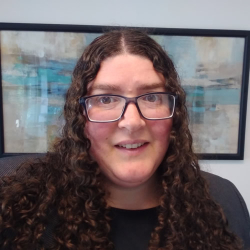
Diana O'Rourke, Estate Planning Attorney
Associate Attorney at Nirenstein, Horowitz & Associates, PC
In May 2023, Diana M. O’Rourke joined Nirenstein, Horowitz & Associates, P.C. as an associate attorney in the trust administration department. Diana has five years of experience practicing in the areas of estate administration, estate planning and elder law.She is admitted to practice in the State of Connecticut and is a member of the Connecticut Bar Association, where she is part of the Estate & Probate section and the Elder Law section...Read More!
Diana O'Rourke, Estate Planning Attorney
Latest posts by Diana O'Rourke, Estate Planning Attorney (see all)
  • What Is a Pour-Over Will and Why Do I Need One? - August 13, 2026
  • Family Loans: Should They be Addressed in Your Estate Plan? - August 4, 2026
  • Can You Refuse an Inheritance? - July 2, 2026
Spread the love

Category: Estate PlanningTag: Probate, Estate Planning Mistakes, Intestacy

Previous Post: «inheritance planning demystified Inheritance Planning Demystified
Next Post: Are There Any Probate Workarounds in Connecticut? probate-workarounds-in-Connecticut»

Search

Blog Subscription

Our blog gives you the most up-to-date estate planning news. Sign up today to receive our regular updates!

This field is for validation purposes and should be left unchanged.
Untitled

Connect With Us Today!

  • Facebook
  • Instagram
  • LinkedIn
  • Pinterest
  • Twitter
  • YouTube

Glastonbury Office Address

Somerset Square
200 Glastonbury Boulevard, Suite 202
Glastonbury, CT 06033-4418
Phone: (860) 548-1000
Fax: (860) 761-1070

Map

Nirenstein, Horowitz & Associates P.C. Somerset Square Google Maps

Westport Office Address

Westport Office
8 Wright Street, Suite 107
Westport, CT 06880
Phone: (860) 548-1000
Fax: (860) 761-1070

Map

Nirenstein, Horowitz & Associates P.C. Westport Office Google Maps

Office Hours

Monday8:30 AM - 5:00 PM
Tuesday8:30 AM - 5:00 PM
Wednesday8:30 AM - 5:00 PM
Thursday8:30 AM - 5:00 PM
Friday8:30 AM - 5:00 PM

Our Law Offices

Nirenstein, Horowitz & Associates P.C.
SOMERSET SQUARE

200 Glastonbury Boulevard, Suite 202 Glastonbury, CT 06033-4418

Phone:(860) 548-1000

Fax: (860) 761-1070

See Larger Map

Westport Office

8 Wright Street, Suite 107
Westport, CT 06880
Phone: (860) 548-1000
Fax: (860) 761-1070

( By appointment only )

See Larger Map

Office Hours

Monday8:30 AM - 5:00 PM
Tuesday8:30 AM - 5:00 PM
Wednesday8:30 AM - 5:00 PM
Thursday8:30 AM - 5:00 PM
Friday8:30 AM - 5:00 PM

Sign Up for Our Newsletter

Sign up to get our complimentary estate planning newsletter for all our tips and resources.

This field is for validation purposes and should be left unchanged.

  • Advantages of Working With Our Firm
  • About The American Academy
  • Disclaimer
  • Privacy Policy
  • Sitemap
  • Contact Us

Copyright © 2026 American Academy of Estate Planning Attorneys | All Rights Reserved